When it comes to growing vegetables indoors or supplementing natural light, selecting the right grow lights is crucial for a successful harvest. This comprehensive guide will walk you through the top options, providing valuable insights and answering common questions.
Whether you’re a seasoned gardener or just starting, choosing the best grow lights will significantly impact your plants’ growth, health, and productivity.
IN THIS ARTICLE
COMPARE PRODUCTS
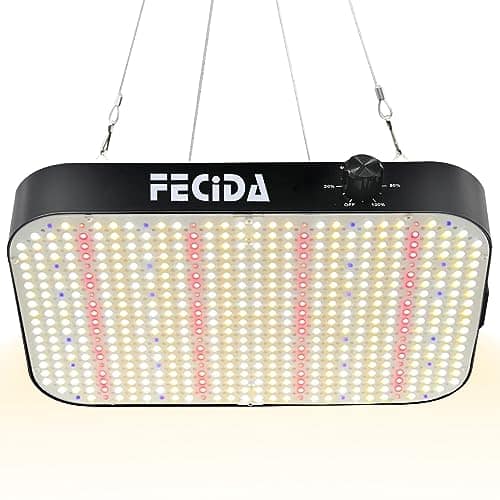
1 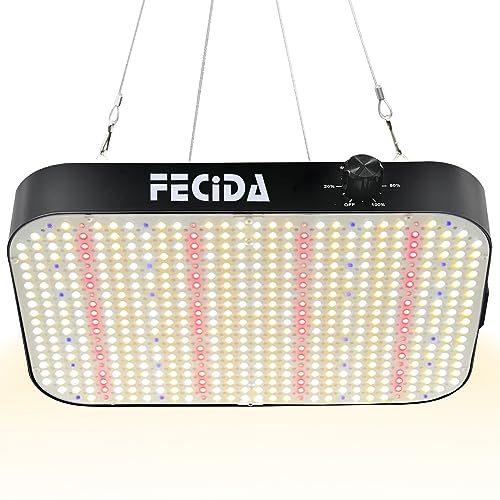 | SCORE: 8.6 Brand: FECiDA  | |
2 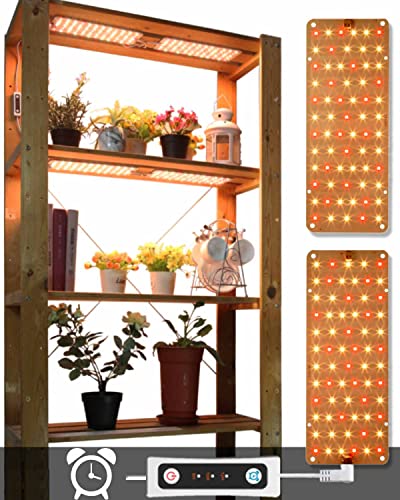 | SCORE: 8.4 Brand: APLANT | |
3 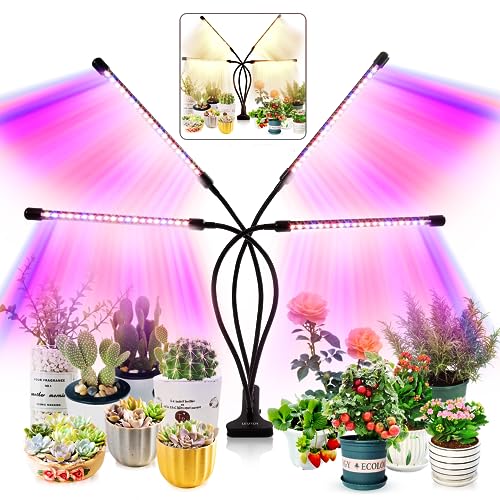 | SCORE: 8.0 Brand: LEOTER | |
4 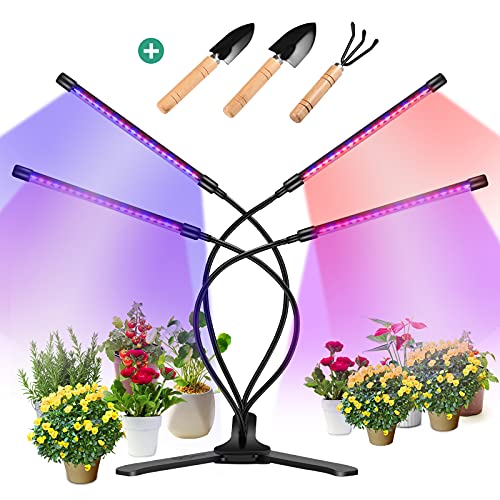 | SCORE: 7.6 Brand: SnapFresh | |
5 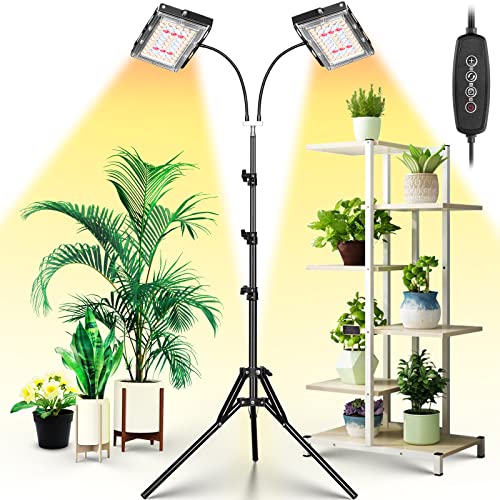 | SCORE: 9.2 Brand: LBW | |
6  | SCORE: 8.2 Brand: Relassy |
Buying Guide
Pros:
- Enhanced Growth: Grow lights provide the necessary light spectrum, promoting photosynthesis and leading to faster, healthier plant growth.
- Year-Round Gardening: With grow lights, you can extend your growing season and cultivate vegetables indoors, even during winter.
- Space Efficiency: Grow lights allow you to optimize space by placing plants closer together, maximizing your garden’s potential.
Cons:
- Initial Cost: High-quality grow lights can be expensive upfront, but the long-term benefits often outweigh the initial investment.
- Energy Consumption: Running grow lights for extended hours may increase energy usage, impacting your utility bills.
- Learning Curve: It may take some time to understand the optimal light duration, intensity, and placement for different vegetable varieties.
FAQs
What type of grow light is best for vegetables?
LED grow lights are the preferred choice for vegetables. They are energy-efficient, emit the right spectrum for plant growth, and produce less heat, reducing the risk of scorching your plants.
How many hours a day should I run the grow lights for vegetables?
Most vegetables require about 12 to 16 hours of light per day during their growth stage. However, it’s essential to adjust the duration based on the specific needs of your plants and monitor their response.
Can I use the same grow lights for different types of vegetables?
Yes, you can use the same grow lights for various vegetables, but it’s crucial to consider the light intensity, spectrum, and coverage. Some plants might have slightly different requirements, so make sure the light setup suits the specific vegetables you’re growing.
Final Thoughts
Investing in the best grow lights for your vegetable garden is a smart move that can significantly enhance your gardening experience and improve your yields. By understanding your plants’ needs, considering the pros and cons, and carefully evaluating the factors mentioned in our buying guide, you’ll be well-equipped to make an informed decision that supports healthy and vigorous vegetable growth.