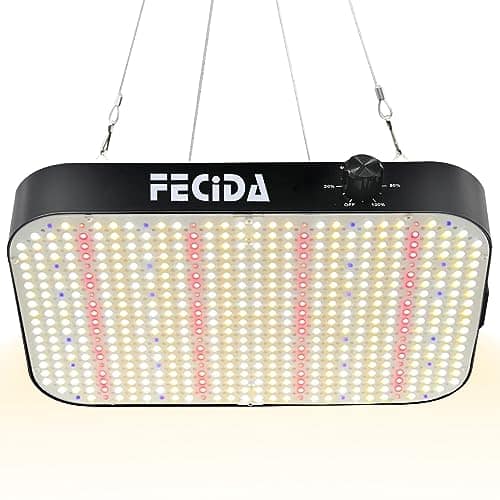
Enhancing the vibrant allure of your rose garden requires the optimal fertilizer. A well-chosen fertilizer not only boosts the growth and health of your roses but also encourages abundant and stunning blooms.
In this guide, we’ll explore the best fertilizer options available, answering common questions along the way. Whether you’re a seasoned gardener or a novice, this information will help you make an informed choice for nurturing your roses to their fullest potential.
IN THIS ARTICLE
COMPARE PRODUCTS
1  | SCORE: 8.6 Brand: Rose & Flower  | |
2 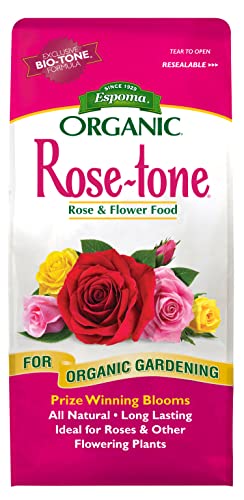 | SCORE: 8.4 Brand: Espoma | |
3  | SCORE: 8.0 Brand: Jobe’s | |
4  | SCORE: 7.6 Brand: Miracle-Gro | |
5 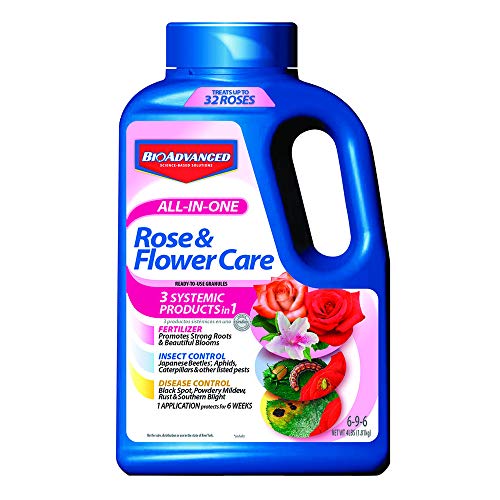 | SCORE: 9.2 Brand: BioAdvanced | |
6 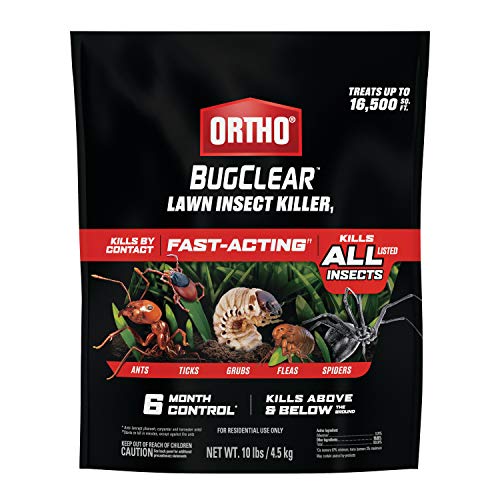 | SCORE: 8.2 Brand: Ortho | |
7  | SCORE: 9.2 Brand: BioAdvanced |
Buying Guide
Pros:
- Promotes vigorous growth and lush foliage.
- Encourages abundant and vibrant blooms.
- Improves overall plant health and disease resistance.
- Tailored formulations for different growth stages.
- Some organic options enrich soil structure.
Cons:
- Over-fertilizing can lead to excessive growth and reduced blooms.
- Incorrect application can harm plants and soil.
- Some specialized fertilizers can be pricey.
- Nutrient imbalances might arise without proper research.
- Organic fertilizers may take longer to show results.
1. Nutrient Composition and Balance:
The nutrient content and balance are critical for rose growth. Look for a fertilizer with a balanced NPK ratio. Nitrogen (N) encourages foliage growth, phosphorus (P) promotes strong root development and blooming, and potassium (K) aids overall plant health and disease resistance. Choose a fertilizer that aligns with the specific growth stage of your roses.
2. Slow-Release vs. Quick-Release:
Consider whether you prefer slow-release or quick-release fertilizers. Slow-release fertilizers gradually release nutrients over time, providing a steady supply to your roses. Quick-release fertilizers act faster but might require more frequent applications. For consistent growth and less frequent application, opt for slow-release options.
3. Soil pH and Composition:
Understanding your soil’s pH and composition is essential. Roses thrive in slightly acidic to neutral soils (pH 6.0-7.0). Choose a fertilizer that complements your soil type – clay, loam, or sandy. Some fertilizers are designed to modify pH, so if your soil is too alkaline or acidic, these options can be beneficial.
4. Organic vs. Synthetic Fertilizers:
Decide between organic and synthetic fertilizers based on your gardening philosophy and goals. Organic fertilizers offer slow and steady nutrient release, enrich the soil, and improve long-term soil health. Synthetic fertilizers provide rapid results but may lack the soil-improving benefits of organic ones. Consider the trade-offs between immediate impact and long-term sustainability.
5. Additional Nutrients and Micronutrients:
Consider fertilizers that offer more than just NPK. Roses benefit from additional micronutrients like iron, zinc, and magnesium. Some fertilizers also contain beneficial microorganisms or mycorrhizae that enhance nutrient uptake and overall plant health. Evaluate these extras to determine if they align with your roses’ specific needs.
FAQs
Final Thoughts
Selecting the best fertilizer for your roses requires considering their unique nutritional needs and your gardening preferences. Remember to factor in the specific growth stage, soil type, and desired outcomes. By nourishing your roses with the right fertilizer, you’re fostering an environment where beauty flourishes and blooms captivate all who behold them.