When embarking on a gardening journey, the choice between potting soil and garden soil is crucial. Each soil type has distinct characteristics that can greatly impact plant growth and health.
Understanding the differences between potting soil and garden soil empowers gardeners to make informed decisions, ensuring thriving plants and bountiful harvests.
IN THIS ARTICLE
COMPARE PRODUCTS
1 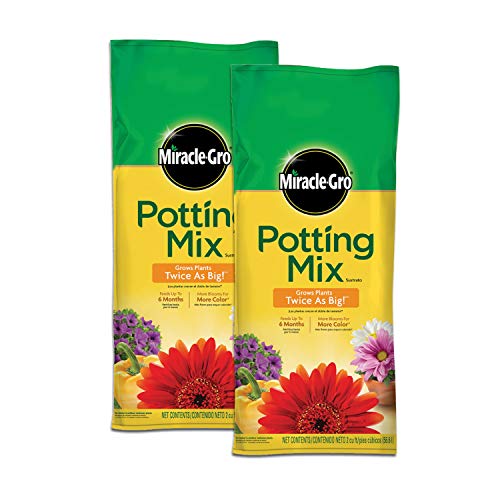 | SCORE: 8.6 Brand: Miracle-Gro  | |
2  | SCORE: 8.4 Brand: Miracle-Gro | |
3 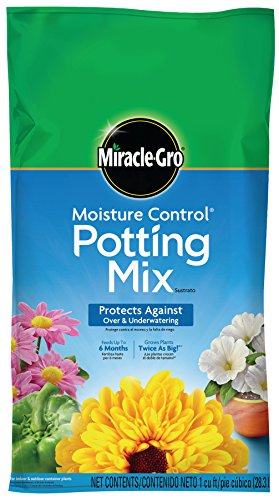 | SCORE: 8.0 Brand: Miracle-Gro | |
4 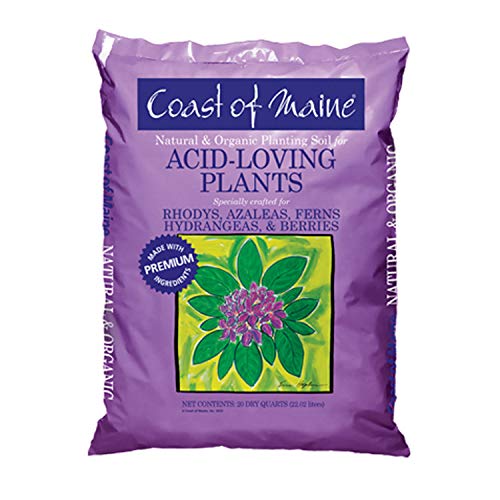 | SCORE: 7.6 Brand: Coast of Maine | |
5 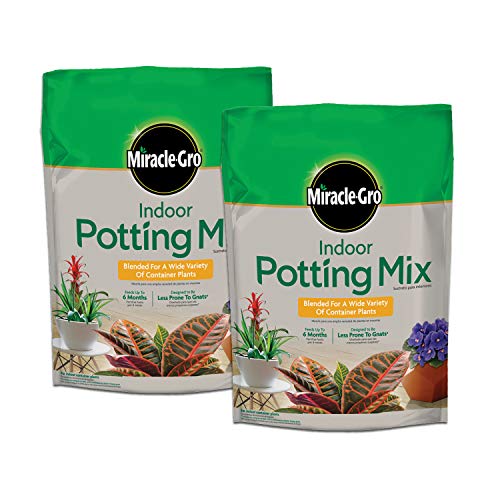 | SCORE: 9.2 Brand: Miracle-Gro | |
6  | SCORE: 8.2 Brand: Miracle-Gro | |
7  | SCORE: 9.2 Brand: Miracle-Gro |
Buying Guide
Potting Soil:
Pros:
- Excellent drainage and aeration
- Lightweight and easy to handle
- Tailored nutrient blends for specific plants
- Fewer weed seeds and pests
- Ideal for container gardening
Cons:
- Requires more frequent watering and fertilization
- Can be costlier than garden soil
- Limited volume for larger gardening projects
Garden Soil:
Pros:
- Better moisture retention and stability
- Suitable for larger plants and outdoor beds
- Generally more affordable
- Supports soil ecosystem development
- Requires less frequent watering
Cons:
- Heavier and less suitable for containers
- May contain weed seeds and pests
- Can become compacted over time
1. Planting Environment:
- Potting Soil: Ideal for container gardening, indoor plants, and smaller-scale projects.
- Garden Soil: Suited for outdoor beds, larger plants, and landscape gardening.
2. Drainage and Aeration:
- Potting Soil: Provides excellent drainage and aeration, preventing root rot in containers.
- Garden Soil: Offers moderate drainage and aeration, promoting stable growth in the ground.
3. Nutrient Composition:
- Potting Soil: Often formulated with specific nutrient blends tailored to different plant types.
- Garden Soil: Contains a variety of natural nutrients, but supplements may be required for optimal plant growth.
4. Moisture Retention:
- Potting Soil: Quick-draining, requiring more frequent watering, especially in dry conditions.
- Garden Soil: Retains moisture better, reducing the need for constant watering, ideal for larger outdoor gardens.
5. Plant Size and Growth:
- Potting Soil: Suitable for smaller plants with shallower root systems, such as herbs and flowers.
- Garden Soil: Accommodates larger plants, shrubs, and vegetables with deeper root structures.
6. Weed and Pest Control:
- Potting Soil: Generally fewer weed seeds and pests due to its sterilized composition.
- Garden Soil: May contain weed seeds and pests, requiring additional weed control measures.
7. Container vs. In-ground Planting:
- Potting Soil: Designed for containers, offering mobility and flexibility in arranging plants.
- Garden Soil: Suited for in-ground planting, providing stability and ample space for root development.
8. Soil Volume and Cost:
- Potting Soil: Typically more expensive per volume due to specialized blends and packaging.
- Garden Soil: More cost-effective for larger gardening projects that require a significant amount of soil.
9. pH Levels:
- Potting Soil: Often pH-balanced for specific plant types, ensuring optimal nutrient uptake.
- Garden Soil: pH levels may vary; soil testing and amendments might be necessary for desired plant growth.
10. Environmental Impact:
- Potting Soil: Generally more sustainable as it reduces the risk of spreading invasive species or soil-borne diseases.
- Garden Soil: Can inadvertently introduce weeds, pests, or diseases to the garden ecosystem.
11. Reusability:
- Potting Soil: Can be challenging to reuse due to its quick-draining nature and potential disease concerns.
- Garden Soil: Can often be amended and reused to improve soil structure over time.
12. Convenience:
- Potting Soil: Convenient for indoor and small-space gardening, requires less physical effort.
- Garden Soil: Requires more effort for soil preparation and tilling when establishing outdoor beds.
FAQs
What’s the primary difference between potting soil and garden soil?
Potting soil is a lightweight, nutrient-rich blend designed for potted plants, offering good drainage and aeration. Garden soil is meant for in-ground planting and is typically heavier, providing more stability and moisture retention.
Can I use potting soil in my garden, and vice versa?
While using potting soil in the garden isn’t ideal due to its quick-draining nature, incorporating garden soil in pots can lead to poor drainage and compacted roots. It’s best to use each type as intended for optimal plant health.
Which soil type is better for vegetables and flowers?
Potting soil is great for containers, ensuring proper root development and growth. Garden soil works best for outdoor beds, providing stability and better water retention, making it suitable for larger plants like vegetables and flowers.
Final Thoughts
In the debate of potting soil vs garden soil, there’s no one-size-fits-all answer. Your choice depends on the plants you’re growing and the conditions you’re providing. By understanding the benefits and drawbacks of each soil type, you can create an environment where your plants can thrive and flourish.