In the realm of gardening, having the right tools can make all the difference. Among these tools, a high-quality garden shovel stands as a fundamental asset. Whether you’re breaking ground, transplanting, or simply maintaining your garden, the right shovel can significantly enhance your efficiency and comfort.
In this guide, we explore the best garden shovels on the market, provide answers to common questions, discuss pros and cons, and offer a buying guide to aid your decision-making process.
IN THIS ARTICLE
COMPARE PRODUCTS
1  | SCORE: 8.6 Brand: Kylin  | |
2 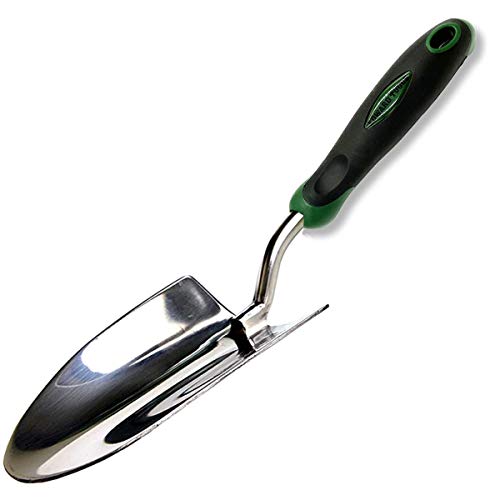 | SCORE: 8.4 Brand: Edward | |
3  | SCORE: 8.0 Brand: FANHAO | |
4  | SCORE: 7.6 Brand: Fiskars | |
5 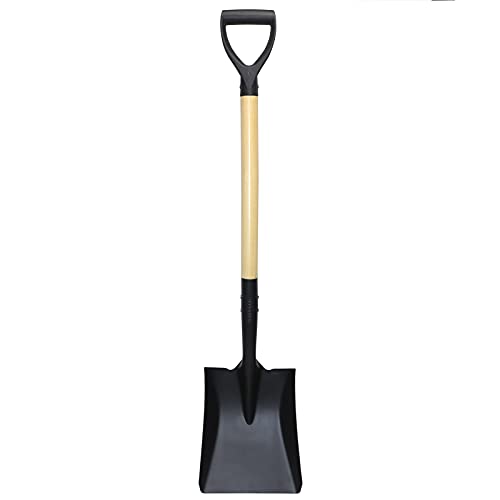 | SCORE: 9.2 Brand: VNIMTI | |
6  | SCORE: 8.2 Brand: Nokta |
Buying Guide
Pros:
- Efficient soil digging and lifting.
- Versatile for various gardening tasks.
- Saves time and effort during landscaping.
- Durable materials for long-lasting use.
- Different styles for specialized applications.
Cons:
- Heavier shovels may cause fatigue.
- Improper storage can lead to rust.
- Some shovels might be pricier due to quality.
- Certain designs might not be suitable for specific tasks.
- Learning proper technique is crucial to prevent strain.
1. Shovel Type:
The first step in selecting the perfect garden shovel is identifying the specific tasks you’ll be performing. There are various types of garden shovels designed for different purposes, such as digging, transplanting, edging, and trenching. Choose a shovel that aligns with your gardening needs to ensure optimal performance. For instance, a digging shovel with a pointed blade is great for breaking ground, while a transplanting shovel with a narrow blade is ideal for delicate plantings.
2. Materials and Construction:
Durability is key when it comes to garden shovels. Look for shovels made from high-quality materials that can withstand the rigors of outdoor use. Stainless steel and coated carbon steel are popular choices as they resist rust and corrosion. Additionally, pay attention to the construction of the blade and handle attachment. A well-constructed shovel will be more reliable and have a longer lifespan.
3. Handle Ergonomics:
Comfort is essential, especially during prolonged gardening sessions. Opt for a shovel with an ergonomically designed handle that fits comfortably in your hand. Look for features like cushioned grips or non-slip materials that reduce strain and prevent blisters. Additionally, consider the length of the handle – a longer handle can provide better leverage for digging tasks, while a shorter handle is suitable for close-up work.
4. Blade Shape and Size:
The shape and size of the shovel’s blade directly impact its functionality. A pointed blade is excellent for cutting through soil and roots, making it ideal for digging and breaking up compacted ground. A flat or rectangular blade is more suitable for tasks that involve lifting and moving soil, such as transplanting. Choose a blade size that complements the scale of your projects – a larger blade covers more ground, but may be heavier to handle.
5. Price and Brand:
While it’s tempting to go for the most affordable option, keep in mind that quality often comes with a higher price tag. Investing in a reputable brand known for producing reliable garden tools can save you money in the long run by ensuring your shovel lasts for years. Read customer reviews and seek recommendations from fellow gardeners to gauge the overall satisfaction with a particular brand and model.
FAQs
What types of garden shovels are available?
Garden shovels come in various types, including digging shovels, spades, trenching shovels, and transplanting shovels. Each type serves specific purposes, such as digging holes, edging, or moving soil.
What features should I look for in a garden shovel?
Look for features like a comfortable grip, sturdy construction, rust-resistant materials, and an appropriate blade size for your tasks. Additionally, consider the handle length for ergonomic use.
How do I maintain my garden shovel?
To maintain your garden shovel, regularly clean off dirt and debris, sharpen the blade if applicable, and store it in a dry place. Applying a protective coating on the metal parts can help prevent rust.
Final Thoughts
Selecting the best garden shovel involves a thoughtful evaluation of your gardening needs, the features of the shovel, and your own comfort. With the right choice, you’ll transform digging and planting into an enjoyable and efficient endeavor, allowing your garden to flourish. By considering the pros and cons, exploring the FAQs, and delving into the buying guide, you’re equipped with the knowledge to make an informed decision that suits your gardening aspirations.