Enhance your lawn maintenance routine with the convenience and efficiency of the best tow behind spreader. These versatile tools are designed to evenly distribute fertilizers, seeds, and other granular materials over large areas, making them indispensable for achieving a lush and healthy lawn.
In this guide, we’ll explore the top options available, address common questions, and provide a comprehensive buying guide to help you make an informed decision.
IN THIS ARTICLE
COMPARE PRODUCTS
1  | SCORE: 8.6 Brand: Agri-Fab  | |
2 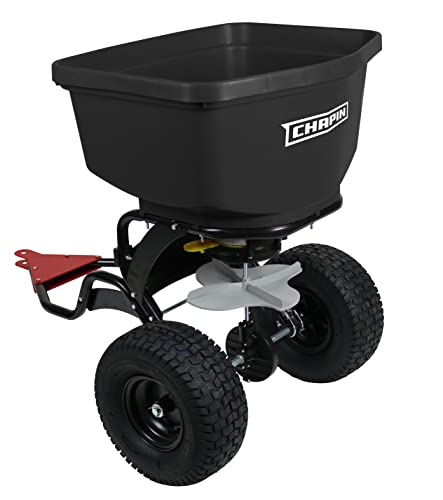 | SCORE: 8.4 Brand: Chapin | |
3 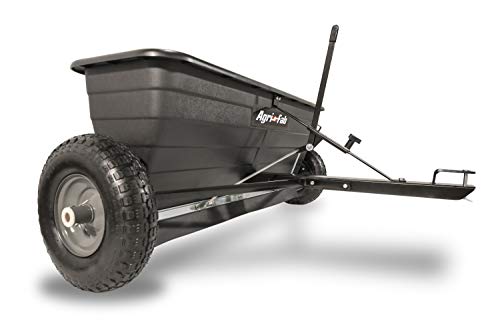 | SCORE: 8.0 Brand: Agri-Fab | |
4 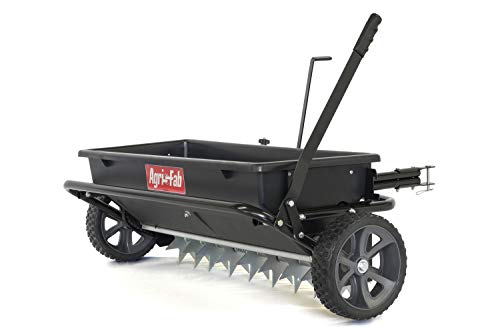 | SCORE: 7.6 Brand: Agri-Fab | |
5 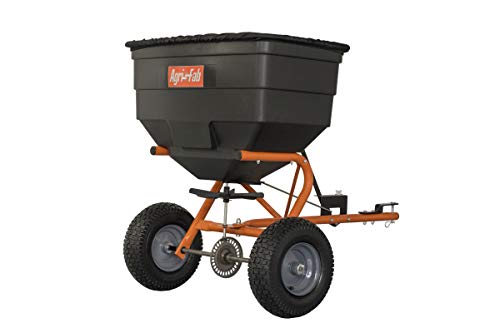 | SCORE: 9.2 Brand: Agri-Fab | |
6  | SCORE: 8.2 Brand: Brinly | |
7 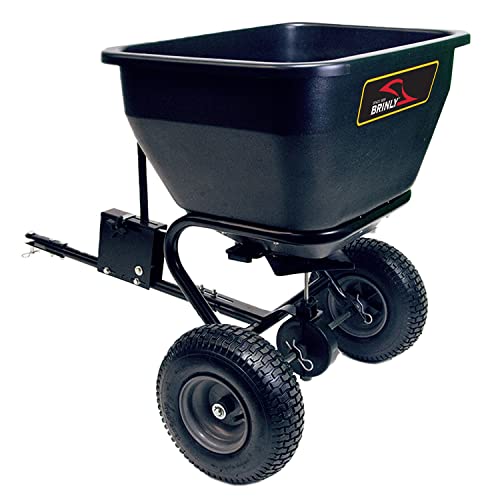 | SCORE: 9.2 Brand: Brinly |
Buying Guide
Pros:
- Efficiently covers large lawn areas.
- Ensures even distribution of materials.
- Time-saving for lawn maintenance.
- Compatible with various granular materials.
- Adjustable settings for precise application.
Cons:
- Requires a tow vehicle (lawn tractor or ATV).
- Initial cost can be higher than handheld spreaders.
- May not be suitable for small or irregularly shaped lawns.
- Some models can be bulky to store.
Hopper Capacity and Coverage Area:
The capacity of the spreader’s hopper determines how much material it can hold at once. Consider the size of your lawn or the area you’ll be treating. A larger capacity is ideal for larger spaces, as it reduces the need for frequent refilling. However, keep in mind that a larger capacity also adds weight, which could affect towing ease.
Material Compatibility and Versatility:
Check whether the spreader can handle a variety of materials, such as fertilizers, seeds, salt, sand, and more. Versatility is key, as it allows you to adapt to different lawn care needs throughout the year. Ensure that the spreader’s design and mechanisms suit the materials you intend to use.
Spreading Mechanism and Adjustability:
Look for a spreader with a reliable spreading mechanism that provides even distribution. Adjustable settings for spreading rate and pattern are crucial. Different materials require different application rates, and the ability to control the spread width ensures precise coverage even in challenging areas like edges and corners.
Build Quality and Durability:
Choose a spreader made from durable materials that can withstand outdoor conditions. Stainless steel or corrosion-resistant components are desirable. A sturdy build not only ensures longevity but also maintains consistent performance over time. Avoid flimsy options that might lead to malfunctions or breakage.
Calibration and Ease of Use:
Calibration is essential to ensure accurate spreading rates. Select a spreader that offers clear and user-friendly calibration instructions. Some models even provide preset calibration settings for various materials, simplifying the process further. An easy-to-use spreader saves time and minimizes frustration during setup and adjustments.
Towing Compatibility and Hitch Type:
Ensure the spreader is compatible with your towing vehicle, whether it’s a lawn tractor, ATV, or utility vehicle. The hitch type should match your towing equipment. Some spreaders offer universal hitches, while others might require specific attachments. Verify compatibility to avoid compatibility issues.
Maintenance and Cleaning:
Consider how easy it is to clean and maintain the spreader. Removable components and designs that prevent material clogs can save you time and effort in the long run. A well-maintained spreader will continue to function optimally and last longer.
Brand Reputation and Reviews:
Research reputable brands with positive customer feedback. Reading reviews and ratings from other users can provide insights into the real-world performance and durability of the spreader models you’re considering.
FAQs
How does a tow behind spreader work?
A tow behind spreader attaches to the back of a lawn tractor or ATV. As you drive, the spinning mechanism within the spreader distributes the material evenly across your lawn.
What materials can I spread with a tow behind spreader?
Tow behind spreaders can distribute fertilizers, seeds, lime, sand, and other granular materials, allowing for efficient application across large areas.
How do I calibrate a tow behind spreader for accurate spreading?
Calibration involves adjusting the spreader settings to control the rate of material distribution. Most spreaders come with instructions for calibration based on the type of material being used.
Final Thoughts
Investing in the best tow behind spreader can significantly simplify your lawn care regimen. With their wide coverage and uniform distribution capabilities, these tools save you time and effort while promoting a vibrant and healthy lawn. By addressing key questions and considering the pros and cons, you’re now equipped to choose the ideal spreader for your needs.