Achieving optimal soil pH is essential for robust plant growth. A reliable soil pH tester helps you maintain the right acidic or alkaline balance in your soil, fostering healthy plants and bountiful yields.
In this guide, we’ll explore the top soil pH testers available, addressing your frequently asked questions along the way. Whether you’re a seasoned gardener or a beginner, understanding the importance of soil pH and choosing the right tester can significantly impact your gardening success.
IN THIS ARTICLE
COMPARE PRODUCTS
1  | SCORE: 8.6 Brand: YINMIK  | |
2  | SCORE: 8.4 Brand: LAWNFUL | |
3 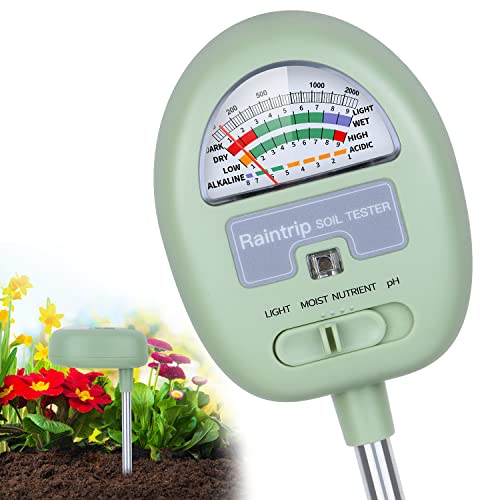 | SCORE: 8.0 Brand: Raintrip | |
4 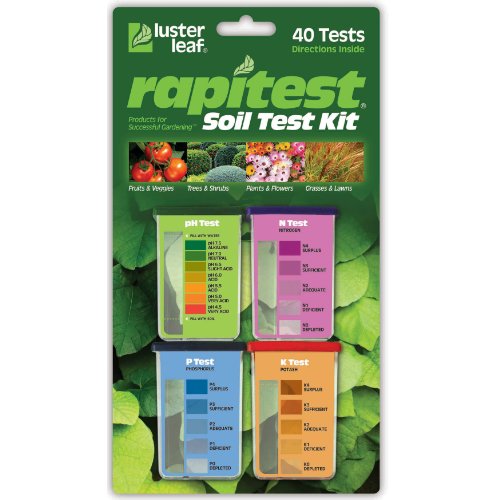 | SCORE: 7.6 Brand: Luster Leaf | |
5 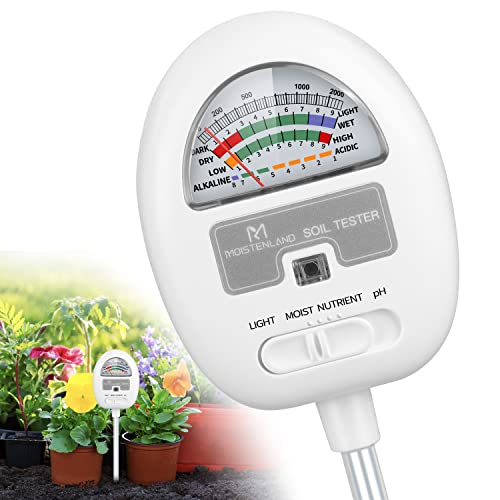 | SCORE: 9.2 Brand: moistenland | |
6 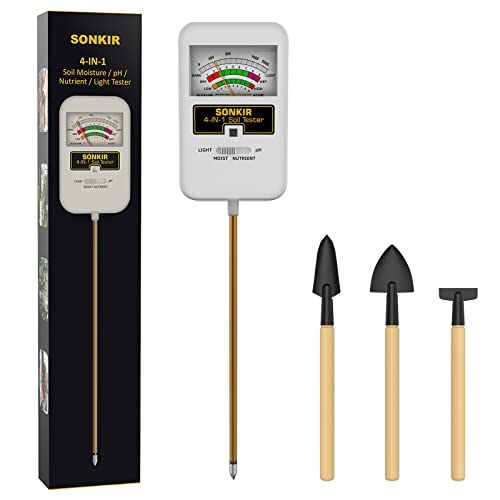 | SCORE: 8.2 Brand: Sonkir | |
7 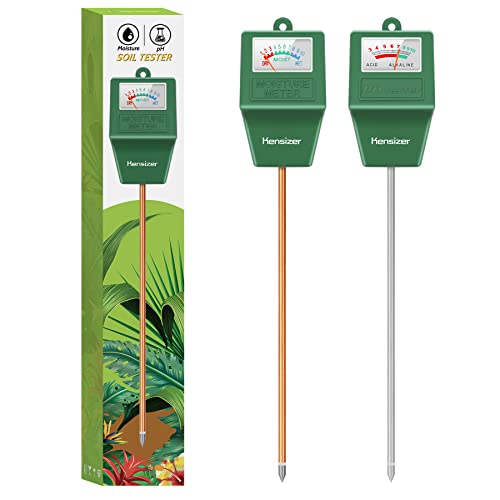 | SCORE: 9.2 Brand: Kensizer |
Buying Guide
Pros:
- Accurate pH readings for precise soil adjustment
- User-friendly interfaces suitable for beginners
- Rapid results for timely soil maintenance
- Some models offer additional soil parameter measurements
- Helps prevent nutrient imbalances and plant diseases
Cons:
- Initial cost investment for quality testers
- Some testers require regular calibration
- Limited accuracy in extreme soil conditions
- Battery-powered models may need frequent replacements
- Some digital testers can be affected by moisture levels
1. Accuracy and Calibration:
Accurate pH readings are paramount for proper soil management. Look for a tester with a reputation for precision. Some digital testers offer automatic calibration, which simplifies the process and ensures consistent accuracy. Manual testers might require periodic calibration; hence, ease of calibration should be a consideration.
2. Testing Method:
Choose between digital and manual testers based on your preferences and needs. Digital testers provide quick and easy-to-read results, often with additional features like backlight displays and memory functions. Manual testers, such as test strips or color-change solutions, are budget-friendly options that require more time and effort but can still yield accurate results.
3. Soil Compatibility:
Consider the type of soil you’ll be testing. Some testers are designed to work best with specific soil types, while others are versatile enough to handle various soil compositions. Ensure the tester’s specifications align with the soil conditions in your garden, whether it’s sandy, loamy, or clay-based soil.
4. Additional Features:
Certain pH testers offer extra features that can enhance your gardening experience. Some models measure other important soil parameters such as moisture levels and light intensity. Having these additional measurements can provide a comprehensive understanding of your soil’s health, helping you make more informed decisions for your plants’ well-being.
5. Durability and Battery Life:
Durability is essential, especially if you’ll be using the tester outdoors frequently. Choose a model made from sturdy materials that can withstand various environmental conditions. For digital testers, assess the battery life. Longer battery life ensures uninterrupted testing sessions, preventing frustration and inconvenience during crucial gardening moments.
6. Ease of Use:
Consider how user-friendly the tester is. A straightforward interface and clear instructions can make a significant difference, especially if you’re new to pH testing. Digital testers with intuitive controls and easy-to-understand readings can save you time and frustration.
7. Maintenance and Longevity:
Evaluate the maintenance requirements of the tester. Some models may require regular maintenance and calibration, while others are more maintenance-free. Additionally, read reviews and gather information on the tester’s longevity to ensure your investment stands the test of time.
8. Price and Warranty:
Price points vary widely among soil pH testers. Set a budget and explore options that fit within it. While it’s tempting to go for the cheapest option, keep in mind that investing a bit more in a reliable tester can lead to more accurate results and a longer lifespan. Also, check if the product comes with a warranty for added peace of mind.
FAQs
Why is soil pH crucial for plant health?
Soil pH affects nutrient availability and microbial activity. Different plants thrive in specific pH ranges, so maintaining the right pH level ensures optimal nutrient uptake and overall plant vigor.
How does a soil pH tester work?
Soil pH testers measure the acidity or alkalinity of the soil using probes or sensors. These devices provide instant readings that help you adjust soil conditions accordingly.
Can I use digital soil pH testers for different soil types?
Yes, many digital testers are versatile and suitable for various soil types. However, it’s essential to check the product specifications and reviews to ensure accuracy across different soils.
Final Thoughts
Selecting the best soil pH tester empowers you to cultivate thriving plants by maintaining the ideal soil conditions. Whether you’re tending to a backyard garden or managing a larger agricultural space, the insights gained from accurate pH testing can make a remarkable difference in your plant’s vitality and yield. With the right soil pH tester in hand, you’re well-equipped to embark on a successful gardening journey.