When it comes to tackling heavy-duty wood splitting tasks, having the right tool can make all the difference. A splitting maul, with its distinctive wedge-shaped head and hefty build, is designed to efficiently split even the toughest logs.
In this guide, we’ll explore the best splitting mauls on the market, highlighting their features, pros, and cons, as well as providing essential insights to help you make an informed decision.
IN THIS ARTICLE
COMPARE PRODUCTS
1  | SCORE: 8.6 Brand: Fiskars  | |
2 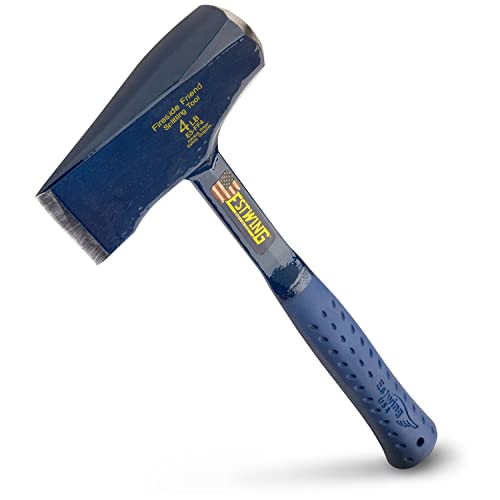 | SCORE: 8.4 Brand: ESTWING | |
3  | SCORE: 8.0 Brand: Truper | |
4 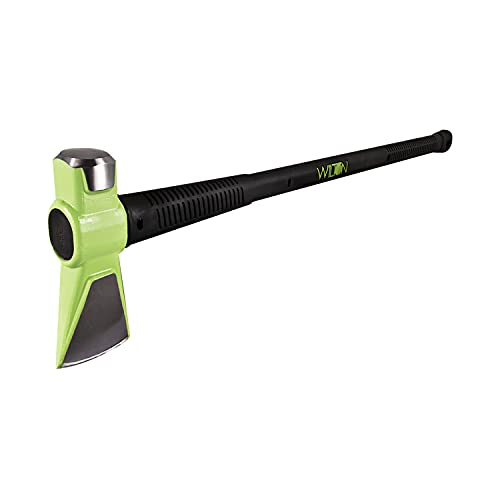 | SCORE: 7.6 Brand: WILTON TOOLS | |
5  | SCORE: 9.2 Brand: Estwing |
Buying Guide
Pros:
- Effortlessly splits large logs and tough wood.
- Saves time and energy due to its weight and wedge-shaped head.
- Versatile tool for various wood-related tasks.
- Durable construction for long-lasting use.
- Suitable for both professional and DIY use.
Cons:
- Heavier compared to standard axes, potentially causing fatigue.
- Limited precision for finer woodwork tasks.
- Requires proper maintenance and sharpening.
- May be overkill for smaller wood-splitting needs.
- Safety precautions are crucial due to its weight and force.
FAQs
What is the main difference between a splitting maul and an axe?
While both tools are designed for wood splitting, a splitting maul has a heavier head and a blunter edge, making it more suitable for splitting large logs and stubborn knots.
Can I use a splitting maul for tasks other than wood splitting?
While its primary purpose is wood splitting, a splitting maul can also be used for tasks like driving wedges or stakes into the ground, thanks to its robust construction.
How do I maintain and sharpen my splitting maul?
Regular maintenance includes keeping the maul’s edge sharp with a sharpening stone or file. Additionally, ensure the handle is securely fastened to the head to prevent accidents during use.