The Sneeboer Transplanting Spade with Steps is a high-quality tool that is ideal for transplanting trees, shrubs, and other plants. It has been designed with a number of features that make it a popular choice among gardeners. One of the most notable features of the Sneeboer Transplanting Spade with Steps is its steps. These steps are located on the side of the spade and provide a stable platform for your foot when digging into the soil. This feature is particularly helpful when you need to apply extra force to penetrate the soil.
The Sneeboer Transplanting Spade with Steps is also made from high-quality materials. The blade is made from stainless steel, which makes it both durable and rust-resistant. The handle is made from ash wood, which is known for its strength and durability. The combination of these materials makes the Sneeboer Transplanting Spade with Steps a reliable tool that can withstand heavy use.
IN THIS ARTICLE
COMPARE PRODUCTS
1 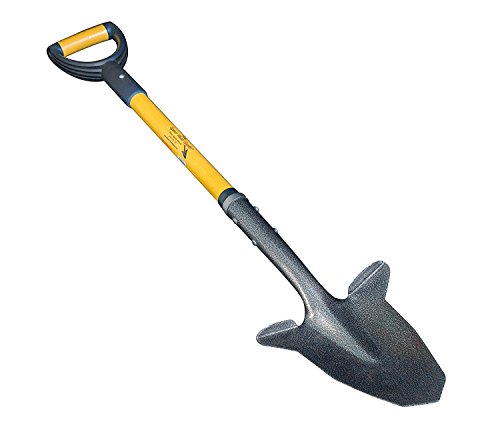 | SCORE: 8.6 Brand: Spear Head Spade  | |
2 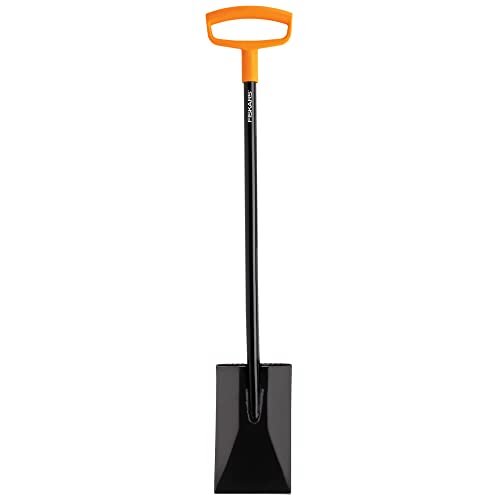 | SCORE: 8.4 Brand: Fiskars | |
3  | SCORE: 8.0 Brand: Berry&Bird | |
4 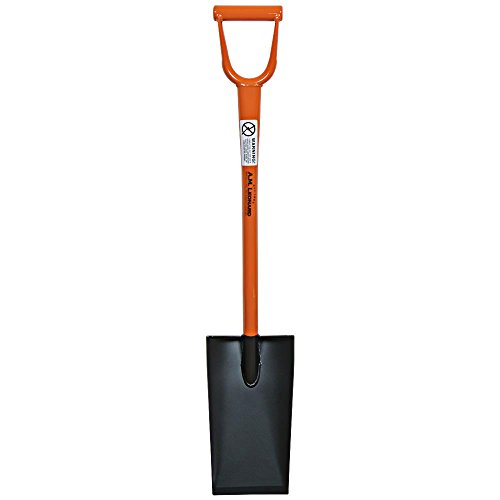 | SCORE: 7.6 Brand: A.M. Leonard | |
5 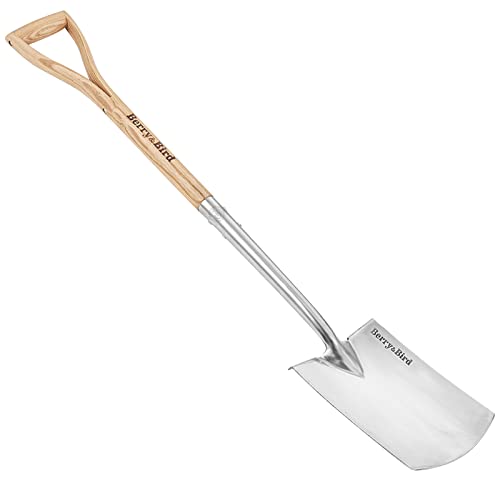 | SCORE: 9.2 Brand: Berry&Bird | |
6  | SCORE: 8.2 Brand: Ashman | |
7 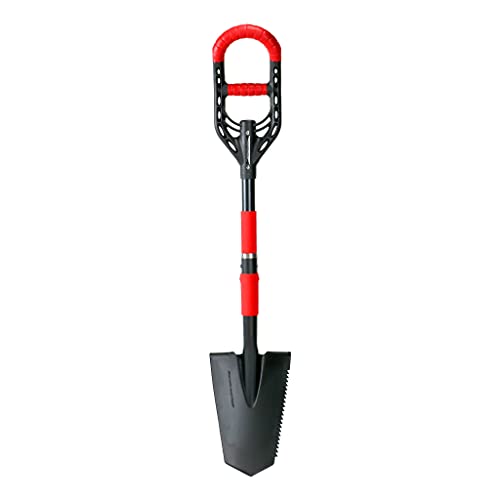 | SCORE: 9.2 Brand: Roamwild |
Detail Reviews
Features and Benefits of the Sneeboer Transplanting Spade with Steps
The Sneeboer Transplanting Spade with Steps has several features that make it a popular choice among gardeners. These features include:
1. Steps
The steps on the side of the Sneeboer Transplanting Spade with Steps provide a stable platform for your foot when digging into the soil. This feature is particularly helpful when you need to apply extra force to penetrate the soil. The steps also make it easier to dig deeper holes without having to bend over.
2. Stainless Steel Blade
The blade of the Sneeboer Transplanting Spade with Steps is made from stainless steel, which makes it both durable and rust-resistant. This means that the spade can withstand heavy use and exposure to moisture without becoming damaged.
3. Ash Wood Handle
The handle of the Sneeboer Transplanting Spade with Steps is made from ash wood, which is known for its strength and durability. The handle is also ergonomically designed to provide a comfortable grip, which reduces hand fatigue during use.
4. Lightweight
The Sneeboer Transplanting Spade with Steps is lightweight, which makes it easy to maneuver and use for extended periods of time. This feature is particularly helpful when you need to transplant several plants in a row.
How the Sneeboer Transplanting Spade with Steps Works
The Sneeboer Transplanting Spade with Steps is designed to make transplanting easier and more efficient. The steps on the side of the spade provide a stable platform for your foot when digging into the soil, which makes it easier to penetrate the soil and dig deeper holes. The lightweight design of the spade also makes it easy to maneuver and use for extended periods of time.
To use the Sneeboer Transplanting Spade with Steps, start by selecting the plant you want to transplant. Choose a location for the plant that has the right amount of sunlight and soil conditions. Once you have chosen a location, dig a hole using the Sneeboer Transplanting Spade with Steps. Use the steps on the side of the spade to provide a stable platform for your foot when digging into the soil. Once the hole is dug, carefully remove the plant from its current location and transplant it into the new hole. Water the plant immediately after transplanting to help it establish itself in its new location.
Steps for Using the Sneeboer Transplanting Spade with Steps
To use the Sneeboer Transplanting Spade with Steps, follow these steps:
1. Choose a location for the plant
Choose a location for the plant that has the right amount of sunlight and soil conditions.
2. Dig a hole using the Sneeboer Transplanting Spade with Steps
Use the steps on the side of the spade to provide a stable platform for your foot when digging into the soil. Dig a hole that is large enough to accommodate the plant’s root ball.
3. Carefully remove the plant from its current location
Once the hole is dug, carefully remove the plant from its current location. Be sure to keep the root ball intact.
4. Transplant the plant into the new hole
Place the plant in the new hole and fill in any gaps with soil. Water the plant immediately after transplanting to help it establish itself in its new location.
Pros and Cons of the Sneeboer Transplanting Spade with Steps
Like any tool, the Sneeboer Transplanting Spade with Steps has its pros and cons. Here are some of the pros and cons that I have noticed:
Pros
- The steps on the side of the spade provide a stable platform for your foot when digging into the soil
- The stainless steel blade is durable and rust-resistant
- The ash wood handle is ergonomically designed to provide a comfortable grip
- The lightweight design of the spade makes it easy to maneuver and use for extended periods of time
Cons
- The Sneeboer Transplanting Spade with Steps is more expensive than some other transplanting spades on the market
- The steps on the side of the spade can get clogged with soil, which can make them less effective
Comparison with Other Transplanting Spades in the Market
There are several other transplanting spades on the market that are similar to the Sneeboer Transplanting Spade with Steps. Here are some of the key differences between the Sneeboer Transplanting Spade with Steps and other transplanting spades:
Sneeboer Transplanting Spade with Steps vs. Fiskars 46 Inch Steel D-handle Transplanting Spade
The Fiskars 46 Inch Steel D-handle Transplanting Spade is a popular choice among gardeners. It has a steel blade and a D-handle for comfortable grip. However, it does not have steps on the side of the spade, which can make it more difficult to penetrate the soil.
Sneeboer Transplanting Spade with Steps vs. Spear & Jackson Traditional Stainless Transplanting Spade
The Spear & Jackson Traditional Stainless Transplanting Spade is another popular choice among gardeners. It has a stainless steel blade and a wooden handle for comfortable grip. However, it does not have steps on the side of the spade, which can make it more difficult to penetrate the soil.
Customer Reviews of the Sneeboer Transplanting Spade with Steps
The Sneeboer Transplanting Spade with Steps has received positive reviews from customers. Here are some of the comments that I have found:
- “The steps on the side of the spade make it so much easier to dig into the soil”
- “The spade is lightweight and easy to use for extended periods of time”
- “The stainless steel blade is durable and rust-resistant, which makes it a great investment”
Maintenance and Care of the Sneeboer Transplanting Spade with Steps
To keep your Sneeboer Transplanting Spade with Steps in good condition, follow these tips:
- Clean the blade after each use to prevent rust from forming
Features and Benefits of the Sneeboer Transplanting Spade with Steps
The Sneeboer Transplanting Spade with Steps has several features that make it a popular choice among gardeners. These features include:
1. Steps
The steps on the side of the Sneeboer Transplanting Spade with Steps provide a stable platform for your foot when digging into the soil. This feature is particularly helpful when you need to apply extra force to penetrate the soil. The steps also make it easier to dig deeper holes without having to bend over.
2. Stainless Steel Blade
The blade of the Sneeboer Transplanting Spade with Steps is made from stainless steel, which makes it both durable and rust-resistant. This means that the spade can withstand heavy use and exposure to moisture without becoming damaged.
3. Ash Wood Handle
The handle of the Sneeboer Transplanting Spade with Steps is made from ash wood, which is known for its strength and durability. The handle is also ergonomically designed to provide a comfortable grip, which reduces hand fatigue during use.
4. Lightweight
The Sneeboer Transplanting Spade with Steps is lightweight, which makes it easy to maneuver and use for extended periods of time. This feature is particularly helpful when you need to transplant several plants in a row.
How the Sneeboer Transplanting Spade with Steps Works
The Sneeboer Transplanting Spade with Steps is designed to make transplanting easier and more efficient. The steps on the side of the spade provide a stable platform for your foot when digging into the soil, which makes it easier to penetrate the soil and dig deeper holes. The lightweight design of the spade also makes it easy to maneuver and use for extended periods of time.
To use the Sneeboer Transplanting Spade with Steps, start by selecting the plant you want to transplant. Choose a location for the plant that has the right amount of sunlight and soil conditions. Once you have chosen a location, dig a hole using the Sneeboer Transplanting Spade with Steps. Use the steps on the side of the spade to provide a stable platform for your foot when digging into the soil. Once the hole is dug, carefully remove the plant from its current location and transplant it into the new hole. Water the plant immediately after transplanting to help it establish itself in its new location.
Steps for Using the Sneeboer Transplanting Spade with Steps
To use the Sneeboer Transplanting Spade with Steps, follow these steps:
1. Choose a location for the plant
Choose a location for the plant that has the right amount of sunlight and soil conditions.
2. Dig a hole using the Sneeboer Transplanting Spade with Steps
Use the steps on the side of the spade to provide a stable platform for your foot when digging into the soil. Dig a hole that is large enough to accommodate the plant’s root ball.
3. Carefully remove the plant from its current location
Once the hole is dug, carefully remove the plant from its current location. Be sure to keep the root ball intact.
4. Transplant the plant into the new hole
Place the plant in the new hole and fill in any gaps with soil. Water the plant immediately after transplanting to help it establish itself in its new location.
Pros and Cons of the Sneeboer Transplanting Spade with Steps
Like any tool, the Sneeboer Transplanting Spade with Steps has its pros and cons. Here are some of the pros and cons that I have noticed:
Pros
- The steps on the side of the spade provide a stable platform for your foot when digging into the soil
- The stainless steel blade is durable and rust-resistant
- The ash wood handle is ergonomically designed to provide a comfortable grip
- The lightweight design of the spade makes it easy to maneuver and use for extended periods of time
Cons
- The Sneeboer Transplanting Spade with Steps is more expensive than some other transplanting spades on the market
- The steps on the side of the spade can get clogged with soil, which can make them less effective
Comparison with Other Transplanting Spades in the Market
There are several other transplanting spades on the market that are similar to the Sneeboer Transplanting Spade with Steps. Here are some of the key differences between the Sneeboer Transplanting Spade with Steps and other transplanting spades:
Sneeboer Transplanting Spade with Steps vs. Fiskars 46 Inch Steel D-handle Transplanting Spade
The Fiskars 46 Inch Steel D-handle Transplanting Spade is a popular choice among gardeners. It has a steel blade and a D-handle for comfortable grip. However, it does not have steps on the side of the spade, which can make it more difficult to penetrate the soil.
Sneeboer Transplanting Spade with Steps vs. Spear & Jackson Traditional Stainless Transplanting Spade
The Spear & Jackson Traditional Stainless Transplanting Spade is another popular choice among gardeners. It has a stainless steel blade and a wooden handle for comfortable grip. However, it does not have steps on the side of the spade, which can make it more difficult to penetrate the soil.
Customer Reviews of the Sneeboer Transplanting Spade with Steps
The Sneeboer Transplanting Spade with Steps has received positive reviews from customers. Here are some of the comments that I have found:
- “The steps on the side of the spade make it so much easier to dig into the soil”
- “The spade is lightweight and easy to use for extended periods of time”
- “The stainless steel blade is durable and rust-resistant, which makes it a great investment”
Maintenance and Care of the Sneeboer Transplanting Spade with Steps
- Store the spade in a dry location to prevent moisture damage
- Sharpen the blade periodically to ensure that it remains effective
- Oil the wooden handle periodically to prevent it from drying out
Final Thoughts
Overall, I have been impressed with the Sneeboer Transplanting Spade with Steps. It has several features that make it a popular choice among gardeners, including the steps on the side of the spade, the stainless steel blade, and the ash wood handle. While it is more expensive than some other transplanting spades on the market, I believe that it is a worthwhile investment for serious gardeners. If you’re looking for a high-quality transplanting spade, I would recommend giving the Sneeboer Transplanting Spade with Steps a try.