When it comes to poultry farming, having the right equipment is essential for the well-being of your feathered friends. A high-quality chicken feeder can streamline the feeding process and ensure your flock receives the nutrition they need.
In this guide, we’ll explore the top-rated options for the best chicken feeders, along with frequently asked questions and valuable insights to help you make an informed choice.
IN THIS ARTICLE
COMPARE PRODUCTS
1  | SCORE: 8.6 Brand: COICOTTC  | |
2  | SCORE: 8.4 Brand: OverEZ Chicken Coop | |
3  | SCORE: 8.0 Brand: AMOTARY | |
4  | SCORE: 7.6 Brand: RentACoop | |
5  | SCORE: 9.2 Brand: PAMAZY | |
6 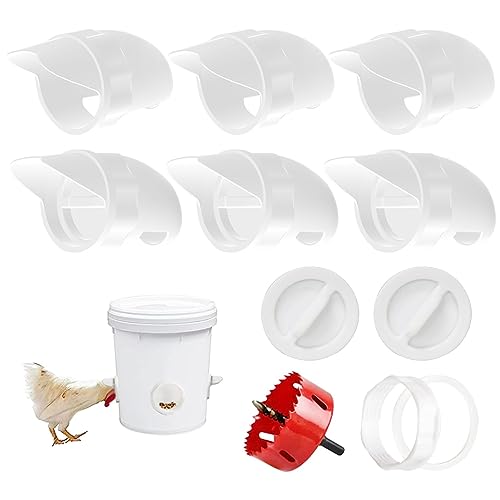 | SCORE: 8.2 Brand: YCQQPRO |
Buying Guide
Pros:
- Efficient feeding process, reducing food wastage.
- Prevents contamination and keeps food clean.
- Reduces the frequency of refilling.
- Various designs to suit different coop setups.
- Some models have anti-waste features.
Cons:
- Initial cost might be higher for high-quality feeders.
- Some designs may be challenging to clean.
- Certain feeders might not be suitable for chicks.
1. Flock Size and Feeding Capacity:
The first and foremost consideration is the size of your flock. A feeder that can accommodate your entire flock at once will prevent overcrowding and competition during feeding. Look for a feeder with enough feeding space to provide about 3 inches per chicken. Additionally, consider the feeder’s capacity in terms of how much feed it can hold. A larger capacity feeder may reduce the frequency of refilling, which can be especially convenient for larger flocks.
2. Feeder Type and Design:
There are various feeder designs available, each with its own advantages. Gravity-fed feeders release feed as chickens eat, while treadle feeders require chickens to step on a platform to access the feed. Automatic feeders can be programmed to dispense feed at specific times. Consider your flock’s behavior and your preferences when choosing a feeder type. Also, assess the feeder’s design in terms of its ease of use, accessibility for the chickens, and protection against weather and pests.
3. Material and Durability:
The material of the feeder plays a vital role in its longevity. Opt for feeders made from durable, weather-resistant materials such as galvanized steel or high-quality UV-stabilized plastic. These materials are less likely to rust, corrode, or degrade over time. A durable feeder not only withstands the elements but also prevents contamination and extends the lifespan of the equipment.
4. Ease of Cleaning and Maintenance:
Regular cleaning is essential to maintain the health of your flock and the quality of the feed. Choose a feeder with components that are easy to disassemble and clean. Look for feeders with smooth surfaces and minimal crevices where feed can accumulate. Some feeders feature removable trays, lids, or hoppers that facilitate thorough cleaning and prevent the growth of mold and bacteria.
5. Pest and Rodent Resistance:
Pests and rodents can quickly become a nuisance around chicken feeders. Consider feeders with built-in features that deter pests, such as rodent-proof lids or mechanisms that prevent larger animals from accessing the feed. These features not only keep the feed clean but also reduce the risk of diseases that pests might carry.
FAQs
How do I choose the right size chicken feeder?
The feeder’s size should match your flock’s size. Aim for a feeder that provides about 3 inches of feeding space per chicken to prevent overcrowding and food wastage.
Can I use a single feeder for different types of poultry?
Yes, many feeders are versatile and can accommodate various types of poultry. Look for adjustable or multi-purpose feeders to cater to different bird sizes.
How often should I clean the chicken feeder?
Regular cleaning is vital to prevent the buildup of mold and bacteria. Clean the feeder at least once a week, and more frequently if you notice any contamination.
Final Thoughts
Investing in the best chicken feeder is a crucial step toward maintaining a healthy and productive flock. By providing easy access to food and minimizing wastage, these feeders streamline the feeding process and contribute to the overall well-being of your chickens. Remember to consider your flock’s size, feeder material, and cleaning ease when making your selection.