Selecting the best fertilizer for fruit trees is crucial for achieving bountiful harvests and ensuring the overall health of your orchard. With a wide array of options available, it’s essential to understand the specific needs of your fruit trees to make an informed choice.
In this guide, we’ll address frequently asked questions about the best fertilizers, helping you make the right decision for your fruit trees’ vitality and productivity.
IN THIS ARTICLE
COMPARE PRODUCTS
1  | SCORE: 8.6 Brand: Fruit Tree  | |
2  | SCORE: 8.4 Brand: Lemon Tree | |
3  | SCORE: 8.0 Brand: Jobe’s | |
4 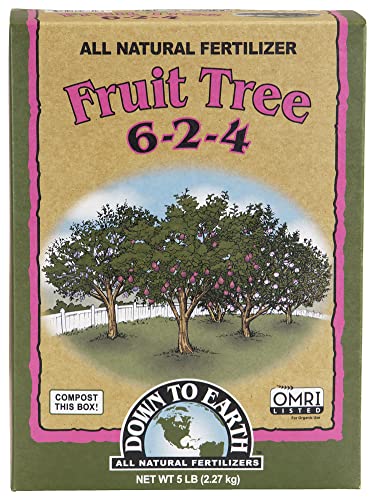 | SCORE: 7.6 Brand: Down to Earth | |
5 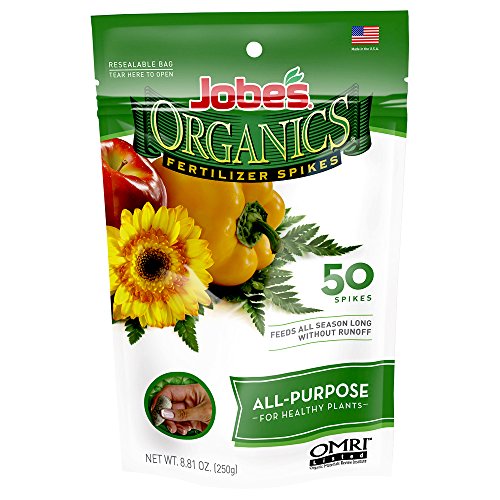 | SCORE: 9.2 Brand: Jobe’s | |
6 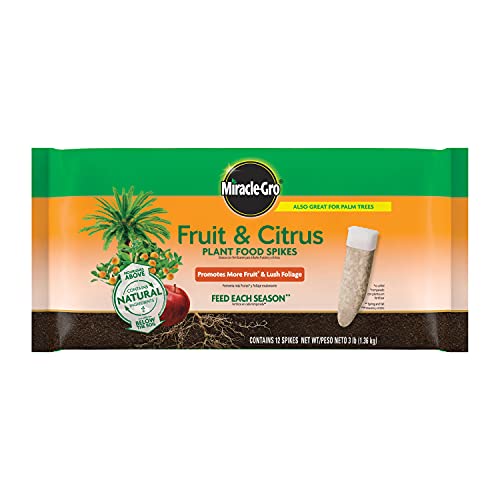 | SCORE: 8.2 Brand: Miracle-Gro | |
7 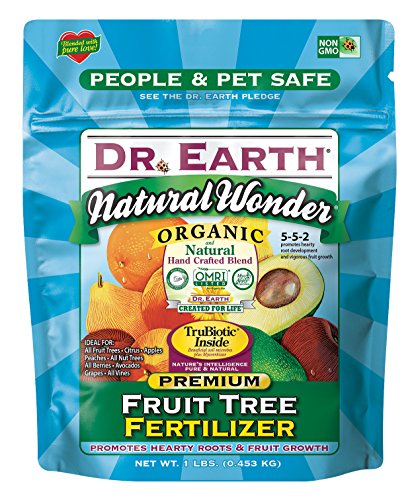 | SCORE: 9.2 Brand: Dr. Earth |
Buying Guide
Pros:
- Enhanced growth and yield.
- Improved soil fertility.
- Tailored nutrient formulations.
- Long-lasting effects, especially with organic options.
- Some fertilizers promote disease resistance.
Cons:
- Over-fertilization risks.
- Environmental concerns (e.g., runoff).
- Cost varies based on quality.
- Application requires careful measurement.
- Some synthetic fertilizers may degrade soil health over time.
Tree-Specific Nutrient Needs
Different fruit trees have varying nutrient requirements based on their species, age, and soil conditions. Research the specific needs of the fruit trees in your orchard, considering factors like nitrogen, phosphorus, potassium (N-P-K), as well as essential micronutrients such as zinc, magnesium, and iron. Choosing a fertilizer with the right balance of nutrients tailored to your trees’ requirements is crucial for optimal growth and fruit production.
Fertilizer Type
There are two primary types of fertilizers: organic and synthetic (chemical). Organic fertilizers, such as compost, manure, or natural mineral-based options, release nutrients slowly and contribute to long-term soil health. Synthetic fertilizers provide a quicker nutrient boost but may require precise application to avoid overfeeding and potential negative effects on soil structure. Consider the advantages and disadvantages of each type based on your orchard’s needs and your environmental preferences.
Release Rate and Duration
Some fertilizers release nutrients gradually over an extended period, while others provide an immediate boost. The release rate determines how often you’ll need to reapply the fertilizer. Slow-release fertilizers can be convenient, especially for larger orchards, as they require fewer applications. On the other hand, quick-release fertilizers may be beneficial for addressing specific nutrient deficiencies or promoting rapid growth during critical phases.
Soil Health and pH
Healthy soil is vital for the overall well-being of fruit trees. Consider the pH level and structure of your soil. Some fertilizers can help improve soil structure, water retention, and nutrient availability. If your soil has specific deficiencies or imbalances, choose a fertilizer that can address those issues while also providing essential nutrients.
Environmental Impact
Be mindful of the environmental impact of the fertilizer you choose. Look for products that minimize runoff and potential pollution of nearby water sources. Organic fertilizers are often more environmentally friendly, but some synthetic options have eco-friendly formulations. Additionally, consider the packaging and overall sustainability of the product.
FAQs
How often should I fertilize my fruit trees?
Generally, fruit trees should be fertilized once a year, ideally in the early spring before new growth begins. Follow the instructions on the fertilizer packaging for exact application rates.
What nutrients are essential for fruit trees?
Fruit trees primarily require nitrogen, phosphorus, and potassium (N-P-K), along with micronutrients like zinc and magnesium. Look for fertilizers with a balanced N-P-K ratio, tailored to the needs of fruit-bearing trees.
Are organic or synthetic fertilizers better for fruit trees?
Both options have merits. Organic fertilizers release nutrients slowly, improving soil health over time. Synthetic fertilizers can provide a quick nutrient boost but may require careful application to prevent overfeeding.
Final Thoughts
In conclusion, choosing the best fertilizer for your fruit trees is pivotal in ensuring a vibrant and productive orchard. Understanding your trees’ needs, considering the pros and cons, and following our buying guide will help you make an informed decision. By providing the right nutrients, you’ll enjoy a rewarding harvest and maintain the overall vitality of your fruit trees.