If you are looking to oversee your lawn this year, then you need to make sure that you choose the right starter fertilizer. Fertilizing your lawn is an important part of keeping it healthy, and choosing the wrong fertilizer can actually do more harm than good.
In this article, we will discuss the different types of starter fertilizers available and help you choose the one that is best for your needs.
IN THIS ARTICLE
COMPARE PRODUCTS
1  | SCORE: 8.6 Brand: Jobe’s  | |
2 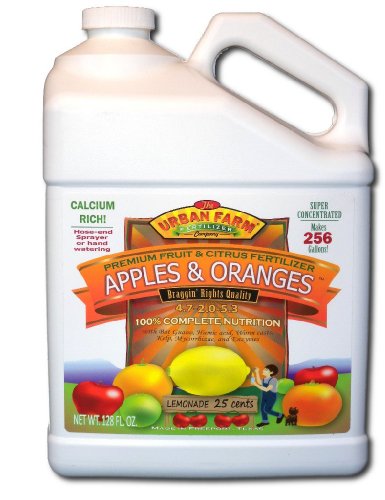 | SCORE: 8.4 Brand: Urban Farm | |
3  | SCORE: 8.0 Brand: Andersons | |
4 | SCORE: 7.6 Brand: Andersons | |
5  | SCORE: 9.2 Brand: Down to Earth | |
6 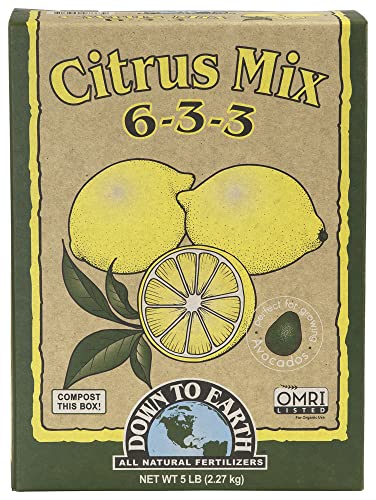 | SCORE: 8.2 Brand: Down to Earth | |
7 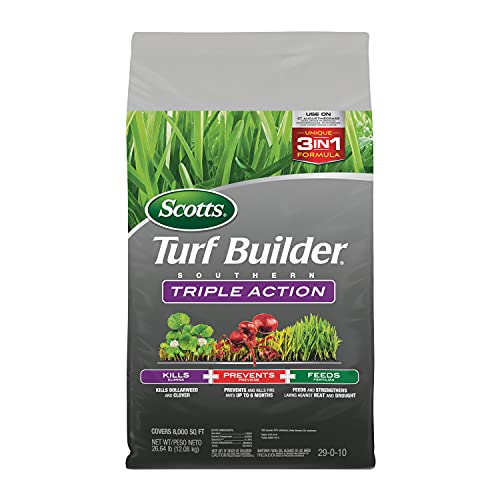 | SCORE: 9.2 Brand: Scotts |
FAQs
1. What is the best type of starter fertilizer for overseeding?
The best starter fertilizer for overseeding depends on your specific situation. For basic lawn care, a slow-release granular fertilizer with an N-P-K ratio of 5-10-5 or 6-12-4 is generally sufficient. This type of fertilizer will provide your lawn with the nutrients it needs to get a good start. For more specific situations, such as overseeding an established lawn, a water-soluble fertilizer may be needed to get the seeds germinating quickly and evenly.
2. When should I fertilize my lawn after overseeding?
You should fertilize your lawn shortly after overseeding, as soon as the seedlings start to sprout. This will give them the nutrients they need to establish a healthy root system and thrive. Be sure to follow the directions on your fertilizer of choice for application rates and frequency. Fertilizing too often or in too high of a concentration can burn your lawn and damage the seedlings. It is also important to water your overseeded lawn properly, as too much or too little can prevent the fertilizer from being absorbed properly.
Final Thoughts
Choosing the right starter fertilizer for overseeding is an important step in maintaining a healthy lawn. Make sure to pick the right type of fertilizer and follow the directions on application rates and timing for optimal results. By following these tips, your lawn should be lush and green in no time!