If you live in a northeastern state, then you know that the winters can be brutal. Not only is the weather unpredictable, but the snow and ice can wreak havoc on your lawn. That’s why it’s important to choose the right grass seed for your region.
In this guide, we will discuss the best grass seeds for northeastern states, as well as tips on how to care for your lawn during winter.
IN THIS ARTICLE
COMPARE PRODUCTS
1  | SCORE: 8.6 Brand: Jonathan Green  | |
2 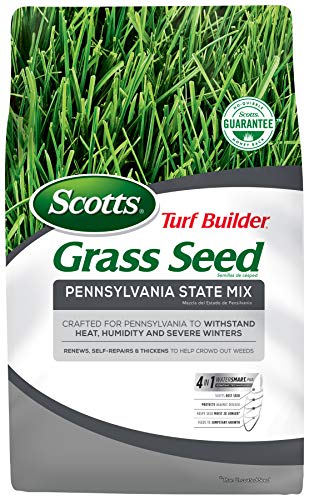 | SCORE: 8.4 Brand: Scotts | |
3 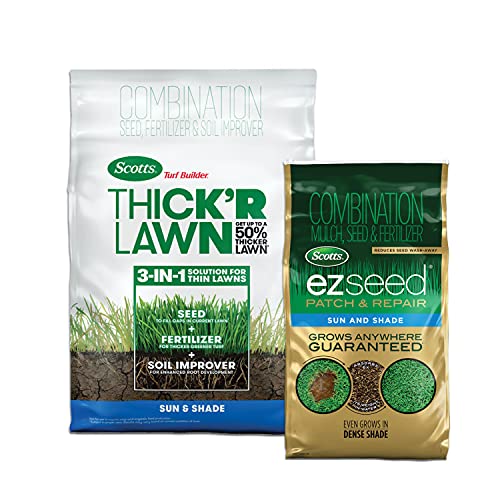 | SCORE: 8.0 Brand: Scotts | |
4 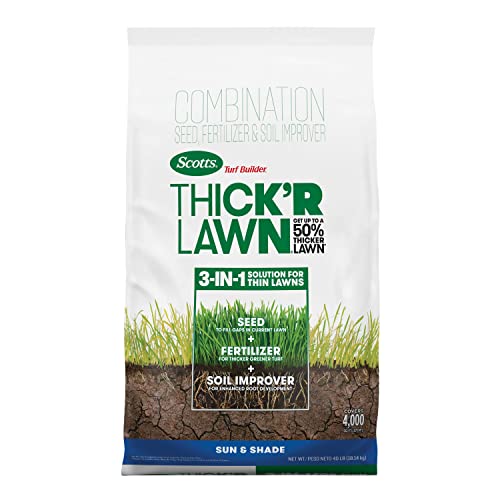 | SCORE: 7.6 Brand: Scotts | |
5  | SCORE: 9.2 Brand: Pennington | |
6 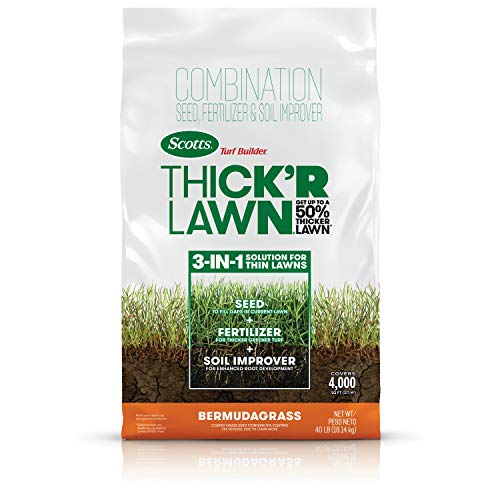 | SCORE: 8.2 Brand: Scotts | |
7  | SCORE: 9.2 Brand: Pennington | |
8 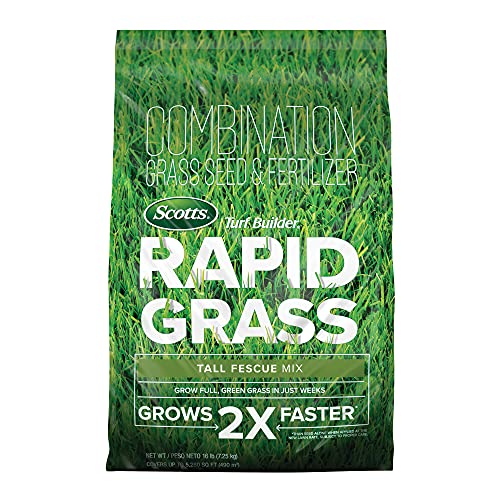 | SCORE: 9.2 Brand: Scotts | |
9 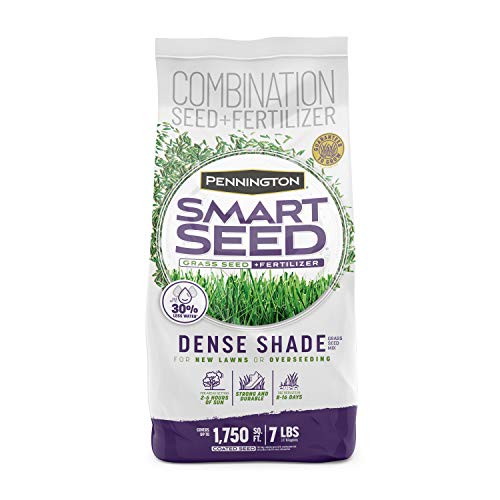 | SCORE: 9.2 Brand: Pennington |
FAQs
1. What is the best grass seed for northeastern states?
The best grass seed for northeastern states depends on your climate and soil type. Cool-season grasses such as Kentucky bluegrass, fescue, and perennial ryegrass are popular choices in this region, as they can withstand extreme temperatures, heavy snowfall, and ice.
2. How do I care for my lawn in the winter?
The first step in caring for your lawn in the winter is to aerate and dethatch it before the temperatures drop. This will allow air, water, and nutrients to reach the grass roots more easily. Additionally, you should mow your grass shorter than usual, as this will help protect it from snow and ice. Finally, fertilize your lawn in late fall to give it a boost before winter arrives.
3. What should I avoid when choosing grass seed?
When selecting grass seed for a northeastern state, you should avoid warm-season grasses such as Bermuda or Zoysia. These grasses are better suited for warmer climates and won’t be able to survive the harsher winters of a northeastern state. Additionally, you should avoid buying pre-mixed grass seed blends, as they often contain inferior varieties that may not be adapted to your area.
Final Thoughts
Choosing the right grass seed for your northeastern state is essential for maintaining a healthy and beautiful lawn. Cool-season grasses such as Kentucky bluegrass, fescue, and perennial ryegrass are popular choices due to their resistance to winter weather. Additionally, proper care of your lawn during the winter months is key to preventing damage. By following the tips outlined in this guide, you can ensure that your lawn thrives despite the harshness of a northeastern winter.