Achieving a vibrant and healthy koi pond requires the right filtration system. The search for the best koi pond filter can be overwhelming, given the numerous options available.
In this guide, we’ll explore the top choices that offer optimal water clarity and fish well-being. From efficient mechanical and biological filtration to easy maintenance, we’ve got you covered. Read on to discover the key factors and expert recommendations to ensure your koi pond remains a thriving ecosystem.
IN THIS ARTICLE
COMPARE PRODUCTS
1  | SCORE: 8.6 Brand: Aquatic Experts  | |
2 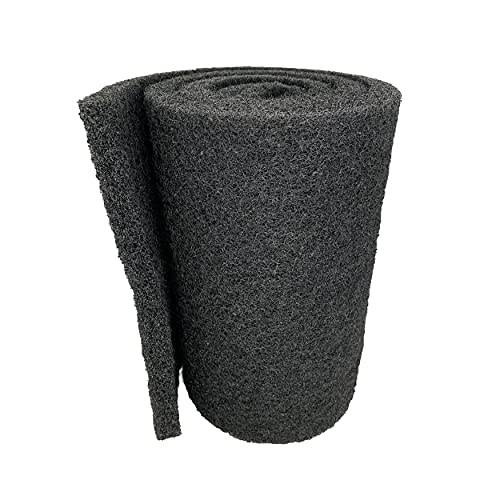 | SCORE: 8.4 Brand: Aquatic Experts | |
3 | SCORE: 8.0 Brand: Aquatic Experts | |
4 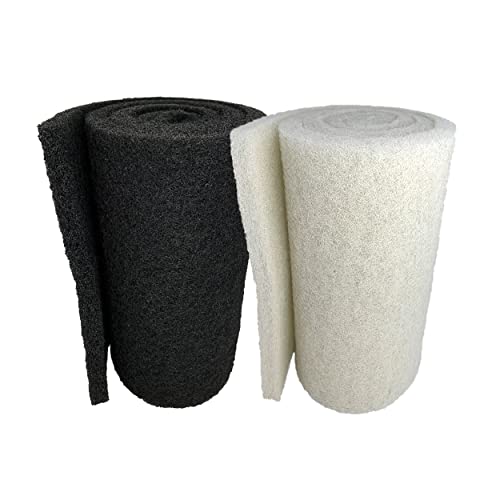 | SCORE: 7.6 Brand: Aquatic Experts | |
5  | SCORE: 9.2 Brand: VIVOHOME | |
6  | SCORE: 8.2 Brand: VIVOHOME | |
7  | SCORE: 9.2 Brand: Koi Pond Filter |
Buying Guide
Pros:
- Enhanced Water Clarity: Effective filtration ensures crystal clear water, enhancing the aesthetics of your pond.
- Improved Fish Health: Proper filtration removes harmful toxins, contributing to healthier and happier koi.
- Reduced Maintenance: Quality filters require less frequent cleaning, saving you time and effort.
- Beneficial Bacteria Growth: Biological filters promote the growth of beneficial bacteria that break down waste.
- Longevity: Investing in a high-quality filter can result in a longer-lasting pond ecosystem.
Cons:
- Initial Cost: Quality koi pond filters can be expensive upfront, especially for larger ponds.
- Space Requirements: Some filters require significant space, which may not be suitable for smaller ponds.
- Energy Consumption: Certain powerful filters can consume more electricity, leading to higher operational costs.
- Learning Curve: Proper installation and maintenance may require a learning curve, especially for beginners.
- Noise Levels: Some filters can produce noise, affecting the tranquility of your pond environment.
1. Pond Size and Fish Load:
The size of your koi pond and the number of fish you have directly influence the filter’s capacity. Larger ponds with more fish generate more waste, requiring a filter with higher processing capabilities. Calculate your pond’s volume and take into account the potential growth of your koi over time. This will help you select a filter that can effectively handle the filtration needs of your specific pond ecosystem.
2. Filtration Type:
There are various filtration types available, including mechanical, biological, and UV filters. Mechanical filters remove debris and particles from the water, while biological filters cultivate beneficial bacteria that break down waste. UV filters combat algae by exposing water to UV radiation. Consider combining different types for comprehensive filtration. Match the filtration type to your pond’s requirements and water quality goals.
3. Flow Rate:
A filter’s flow rate determines how quickly the entire pond volume is processed through the filter. Aim for a flow rate that allows all water to cycle through the filter at least once every 1-2 hours. Too high a flow rate can reduce filtration efficiency, while too low a rate may not adequately clean the water. Calculate the optimal flow rate based on your pond’s volume and select a filter that meets this requirement.
4. Maintenance Ease:
Regular maintenance is essential for the longevity and effectiveness of your filter. Look for filters with accessible components and user-friendly design for easier cleaning. Removable media, backwashing capabilities, and indicators for cleaning cycles are beneficial features. Prioritize filters that require less frequent maintenance, as this can save you time and effort in the long run.
5. Build Quality and Brand Reputation:
Invest in a filter from reputable brands known for producing high-quality pond equipment. Research reviews, seek recommendations from experienced pond owners, and consider warranties offered by the manufacturer. A well-built filter made from durable materials will withstand the outdoor elements and provide consistent performance over time.
FAQs
How often should I clean my koi pond filter?
Cleaning frequency depends on factors like filter type, pond size, and fish load. Generally, it’s recommended to clean mechanical filters every 2-4 weeks and perform maintenance on biological filters annually.
Can I use multiple filters in my koi pond?
Yes, using a combination of mechanical and biological filters can improve filtration efficiency. Each filter type addresses different aspects of water quality, resulting in a healthier pond environment.
What’s the ideal flow rate for a koi pond filter?
The flow rate should ideally allow the entire pond volume to pass through the filter every 1-2 hours. For example, if you have a 1000-gallon pond, aim for a filter with a flow rate of 500-1000 gallons per hour.
Final Thoughts
Selecting the best koi pond filter is crucial for maintaining optimal water quality and ensuring the well-being of your fish. With a range of options available, from mechanical to biological filters, finding the right balance for your pond’s needs is key. Regular maintenance and proper sizing are essential to harness the benefits of your chosen filter, ultimately leading to a stunning and thriving koi pond.