Achieving a healthy and vibrant lawn requires the right nutrients, and that’s where the best organic lawn fertilizers come into play. With growing concerns about the environment and chemical usage, organic options have gained popularity.
In this guide, we’ll explore the top choices, address common questions, outline the pros and cons, and provide a buying guide to ensure you make an informed decision for a greener, more sustainable lawn.
IN THIS ARTICLE
COMPARE PRODUCTS
1 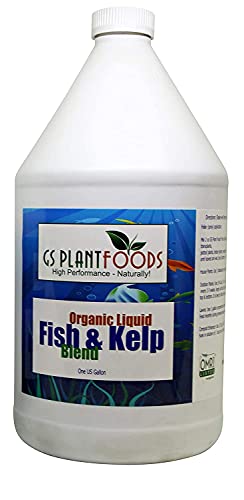 | SCORE: 8.6 Brand: Omri  | |
2  | SCORE: 8.4 Brand: Organic Kelp | |
3  | SCORE: 8.0 Brand: Scotts | |
4  | SCORE: 7.6 Brand: Scotts | |
5 | SCORE: 9.2 Brand: Scotts | |
6 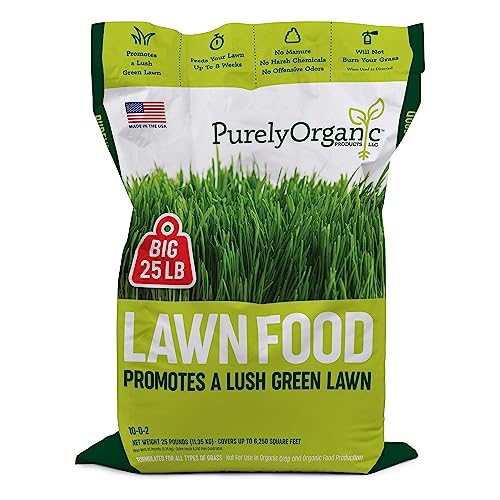 | SCORE: 8.2 Brand: Purely | |
7  | SCORE: 9.2 Brand: Scotts |
Buying Guide
Pros:
- Environmentally friendly, reducing chemical runoff
- Improves soil structure and microbial activity
- Releases nutrients gradually for long-lasting results
- Safer for pets, children, and beneficial insects
- Enhances overall soil and plant health
Cons:
- Slower initial results compared to synthetic fertilizers
- May have a milder nutrient concentration
- Slightly higher cost in some cases
- Application may require more effort or frequency
Nutrient Balance and Composition:
Check the nutrient content of the fertilizer, usually indicated by the NPK ratio (Nitrogen, Phosphorus, Potassium). Different lawns have varying nutrient requirements. Nitrogen promotes leaf growth, phosphorus supports root development, and potassium aids overall plant health and resistance. Ensure the chosen fertilizer matches your lawn’s specific needs.
Soil Type and pH Compatibility:
Understanding your soil type (sandy, loam, clay) and its pH level is crucial. Different fertilizers work better with specific soil types. Some fertilizers may have components that alter soil pH. Choose a fertilizer that complements your soil type and doesn’t disrupt its pH balance.
Slow-Release Formulation:
Opt for fertilizers with slow-release formulas. These release nutrients over an extended period, preventing nutrient leaching and providing consistent nourishment to your lawn. This gradual release also reduces the risk of over-fertilization and minimizes the need for frequent applications.
Organic Ingredients and Sources:
Examine the ingredients list for natural and organic sources of nutrients. Common ingredients include compost, bone meal, kelp, fish emulsion, and more. Organic sources enhance soil health by promoting microbial activity and contributing to long-term soil fertility. Avoid fertilizers with synthetic additives or fillers.
Additional Beneficial Components:
Some organic fertilizers include extra elements like mycorrhizal fungi, which improve nutrient absorption, or beneficial microorganisms that enhance soil structure. These additives can provide added benefits for your lawn’s health and resilience.
Certifications and Labels:
Look for certifications such as OMRI (Organic Materials Review Institute) that verify the organic nature of the product. These labels ensure that the fertilizer meets specific organic standards and doesn’t contain prohibited substances.
Application Instructions and Coverage:
Read and follow the application instructions carefully. Consider factors like application frequency, recommended amounts, and proper techniques. Ensure the fertilizer provides adequate coverage for your lawn’s size.
Environmental Impact:
Opt for fertilizers that are environmentally friendly and sustainable. Some fertilizers are produced using energy-efficient methods or utilize recycled materials. Choosing a product with a lower carbon footprint contributes to a healthier planet.
User Reviews and Recommendations:
Research user reviews and seek recommendations from fellow gardeners or lawn care experts. Real-world experiences can provide valuable insights into a fertilizer’s effectiveness and potential issues.
Budget Considerations:
While organic fertilizers tend to be pricier than synthetic ones, weigh the benefits against your budget. Consider the long-term benefits of healthier soil and reduced environmental impact.
FAQs
Is organic lawn fertilizer as effective as synthetic options?
Yes, organic lawn fertilizers can be just as effective in promoting healthy grass growth. They release nutrients slowly, improving soil health over time.
Will organic fertilizers harm pets or children?
No, organic fertilizers are generally safer for pets and children, as they don’t contain harmful chemicals. However, it’s still advisable to follow application guidelines.
Do organic lawn fertilizers help improve soil structure?
Absolutely. Organic fertilizers enhance soil structure, increasing water retention and promoting beneficial microbial activity.