Dealing with rocky soil can be a daunting task, but with the right rototiller, you can turn this challenge into an opportunity for successful gardening and landscaping. Choosing the best rototiller for rocky soil is essential to ensure efficient tilling without damaging your equipment or compromising your garden’s growth potential.
In this guide, we’ll explore the top recommendations, address common concerns through FAQs, and provide a comprehensive buying guide to help you make an informed decision.
IN THIS ARTICLE
COMPARE PRODUCTS
1 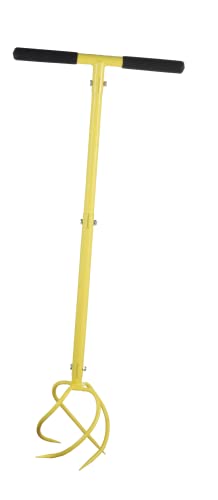 | SCORE: 8.6 Brand: DYSHIPEN  | |
2 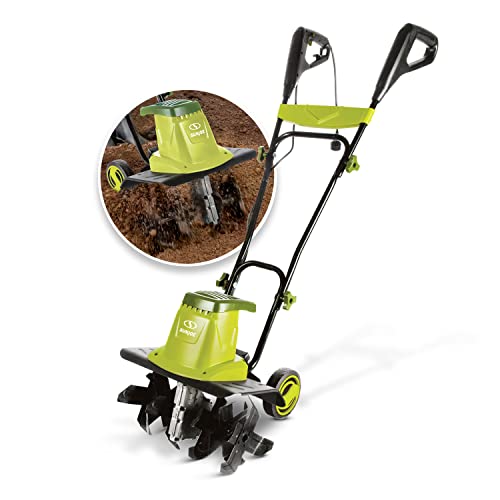 | SCORE: 8.4 Brand: Sun Joe | |
3 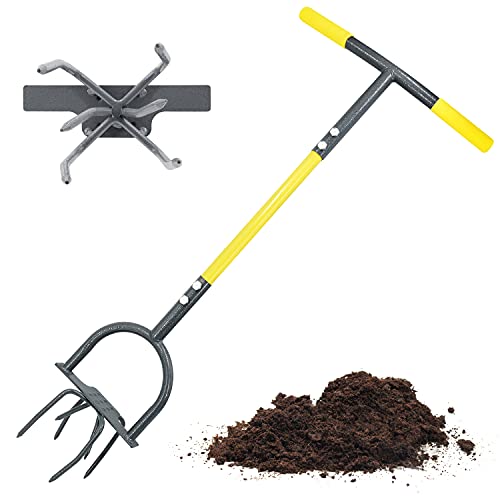 | SCORE: 8.0 Brand: Jardineer | |
4 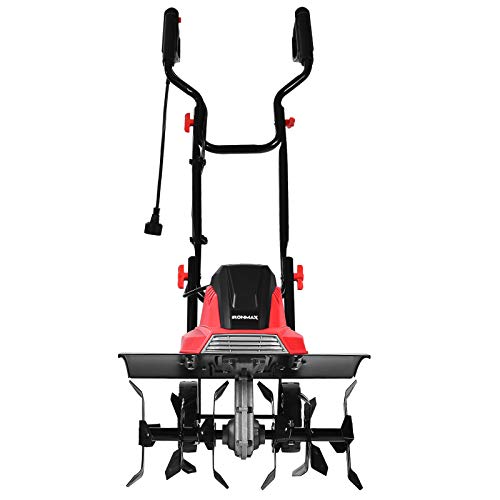 | SCORE: 7.6 Brand: Goplus | |
5  | SCORE: 9.2 Brand: BILT | |
6  | SCORE: 8.2 Brand: Earthwise | |
7 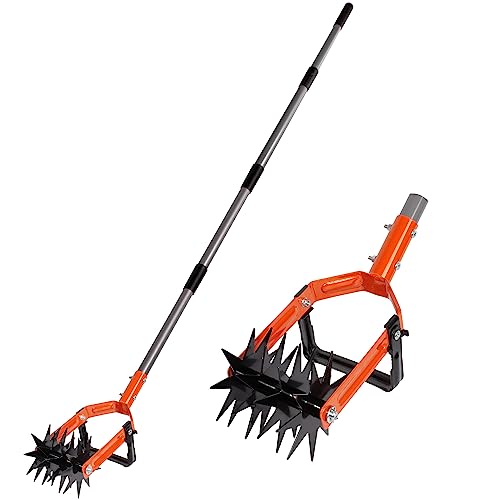 | SCORE: 9.2 Brand: Walensee |
Buying Guide
Pros:
- Powerful engines for efficient soil penetration.
- Durable construction to withstand rocky conditions.
- Adjustable tine settings for various soil types.
- Enhanced stability and traction on uneven ground.
- Potential for adding attachments to increase versatility.
Cons:
- Generally higher cost compared to standard rototillers.
- Heavier weight can make maneuvering challenging.
- Maintenance may be more frequent due to rugged usage.
- Learning curve to operate effectively on rocky soil.
- Some models might produce more noise due to higher power.
1. Tine Type and Configuration:
Consider the tine design of the rototiller. Rear-tine models are often more suitable for rocky soil due to their counter-rotating tines. These tines work to break up the soil more effectively and penetrate rocky terrain with less effort. Opt for adjustable tine settings to accommodate different soil conditions and depths.
2. Durability and Construction:
Rocky soil can put a significant strain on equipment. Look for a rototiller built with durable materials like heavy-duty steel or reinforced components. A sturdy frame, solid axles, and thick tines are essential to withstand the impact of rocks and prevent damage during operation.
3. Engine Power and Torque:
A robust engine is crucial when dealing with rocky soil. Higher horsepower and torque allow the rototiller to power through hard ground and rocks without bogging down. A powerful engine ensures consistent tilling performance even in challenging conditions, minimizing the risk of equipment strain.
4. Depth and Width Adjustability:
The ability to adjust tine depth and width is essential for rocky soil. Different parts of your garden may have varying levels of rockiness, so having the flexibility to change the tiller’s settings allows you to tailor the tilling depth and width to match the terrain, improving efficiency and reducing stress on the machine.
5. Maneuverability and Control:
While dealing with rocky soil, maneuverability becomes crucial. Choose a rototiller with features that enhance control, stability, and ease of maneuvering. Look for features such as adjustable handles, ergonomic controls, and sturdy wheels or treads that provide traction and stability on uneven ground.
6. Additional Attachments and Versatility:
Some rototillers offer compatibility with attachments that can further enhance their performance on rocky soil. Attachments like furrowers or plows can assist in preparing the soil and breaking through tougher areas. Check if the rototiller you’re considering can accommodate these attachments to add versatility to your gardening tasks.
FAQs
Can any regular rototiller handle rocky soil?
Not all rototillers are designed for rocky soil. Look for models with sturdy construction, adjustable tines, and powerful engines to effectively break through tough terrain.
Are front-tine or rear-tine rototillers better for rocky ground?
Rear-tine rototillers generally perform better on rocky soil due to their increased weight and counter-rotating tines, providing better penetration and improved soil turnover.
How can I prevent my rototiller from getting damaged in rocky soil?
Opt for a rototiller with durable materials, such as hardened steel tines, reinforced frames, and features like tine disengagement when hitting large rocks to prevent damage.
Final Thoughts
Selecting the best rototiller for rocky soil is the key to achieving successful gardening outcomes in challenging conditions. By considering factors such as durability, tine configuration, and ease of use, you can find the ideal rototiller to conquer rocky terrain. With the right equipment in hand and proper techniques, you’ll be able to transform even the toughest soil into a flourishing garden.